3d Rendering Dna and Coronavirus Design: A Comprehensive Evaluation
In the landscape of digital visualization, 3d Rendering Dna and Coronavirus Design has emerged as a significant asset for professionals in science communication, medical illustration, and public health awareness. This specific category of imagery combines complex biological structures with modern rendering techniques to create visuals that are both scientifically grounded and aesthetically compelling. For designers, educators, and researchers, these assets serve as more than just decorative elements; they function as critical tools for conveying intricate information about virology and genetics.
When evaluating resources for a project involving biological themes, understanding the technical specifications and creative applications is essential. The availability of files in multiple formats—AI, EPS, JPG, PNG—ensures versatility across various workflows. Whether the goal is to create a high-resolution poster, an interactive web element, or a vector-based infographic, having access to a comprehensive suite of file types allows for seamless integration into existing design systems.
Understanding the Visual Composition
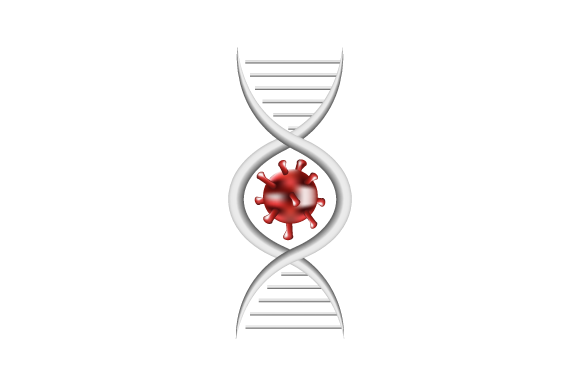
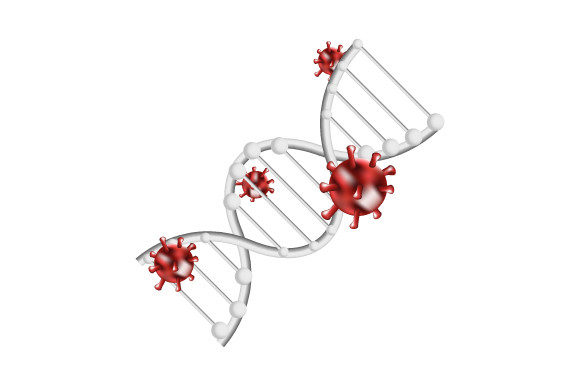
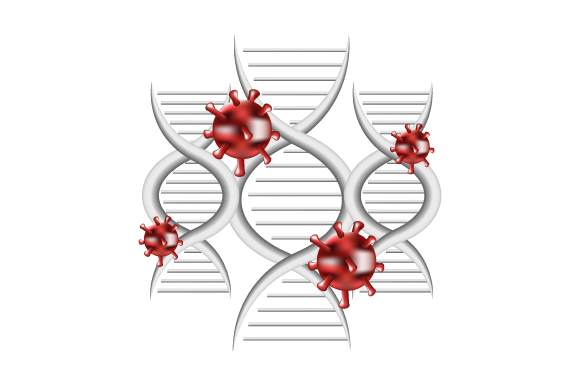
The core of this design lies in its ability to merge two distinct biological concepts: the double helix structure of DNA and the morphological characteristics of the coronavirus. In a 3D rendering context, this involves sophisticated lighting, texture mapping, and geometric modeling to simulate realistic surfaces. The DNA strand typically represents the genetic code and the foundation of life, while the coronavirus model illustrates the viral threat or the subject of study.
These visualizations often utilize a color palette that balances scientific accuracy with artistic interpretation. Common choices include deep blues and purples for the DNA to signify depth and complexity, contrasted with reds, oranges, or whites for the virus to highlight its presence and potential danger. The result is a cohesive image that can act as a powerful symbol for research, vaccination campaigns, or genetic testing services.
Practical Applications and Use Cases
Individuals seeking 3d Rendering Dna and Coronavirus Design vector assets usually have specific objectives in mind. The utility of these graphics extends far beyond simple decoration. Below are the primary scenarios where these assets provide the most value:
- Medical and Scientific Presentations: Researchers and doctors require clear, authoritative visuals to explain transmission vectors or genetic mutations during conferences and lectures. High-quality 3D renders offer a level of detail that flat illustrations cannot match.
- Public Health Campaigns: Organizations aiming to educate the public on hygiene, vaccination, or genetic screening benefit from striking imagery. These designs capture attention quickly and convey the seriousness of the topic without relying solely on text.
- Background Elements for Web and Print: As noted in the file specifications, the inclusion of JPG and PNG formats makes these images ideal for backgrounds. They can be subtly integrated into website headers, landing pages, or brochure layouts to establish a thematic tone without overwhelming the primary content.
- Element Design for Infographics: The vector nature of the AI and EPS files allows designers to deconstruct the image. Specific parts of the DNA or the virus spikes can be extracted and used as icons or bullet points within larger data visualizations.
Evaluating File Formats and Technical Flexibility
A critical factor in selecting the right asset is the format in which it is delivered. The provision of AI, EPS, JPG, and PNG covers the spectrum of professional needs, but each serves a distinct purpose in the design pipeline.
Vector Formats (AI and EPS): These are indispensable for scalable design work. If you need to print a banner that is several feet wide or resize a logo for a mobile app, vector files ensure the lines remain crisp and sharp. They allow for non-destructive editing, meaning you can change colors, adjust the size of the helix, or isolate specific virus particles without losing quality. This is particularly useful for branding materials where consistency is paramount.
Raster Formats (JPG and PNG): These files contain pixel-based data and are optimized for screen display and quick deployment. JPG files are generally smaller in size, making them efficient for email newsletters or websites where load speed is a concern. PNG files, however, support transparency, which is crucial when placing the DNA or virus over different colored backgrounds without creating a white box around the image. For users who do not have advanced vector editing software, these raster options provide immediate usability.
Balancing Benefits and Tradeoffs
While integrating 3d Rendering Dna and Coronavirus Design offers numerous advantages, it is important to approach the selection process with a balanced perspective. Understanding the tradeoffs helps in managing expectations and ensuring the final output meets the project's requirements.
Benefits:
- High Visual Impact: 3D renders naturally draw the eye due to their depth and realism, making them superior for capturing attention in crowded media environments.
- Scalability: With vector files available, the same asset can be used for a business card or a stadium billboard.
- Thematic Clarity: The combination of DNA and virus imagery immediately signals a connection to biology and health, reducing the cognitive load on the audience.
Tradeoffs and Considerations:
- Complexity of Editing: While vector files are flexible, they can sometimes be complex to edit if the original layers are grouped or locked. Users must verify the editability of the AI/EPS files before purchasing or downloading.
- File Size vs. Quality: High-resolution 3D renders can result in large file sizes, particularly in PNG format. This may require optimization for web use to prevent slow loading times.
- Stylistic Limitations: Depending on the specific rendering style, the image might feel too "scientific" or sterile for certain creative projects. It is less suitable for whimsical or abstract designs that require a softer aesthetic.
Determining the Right Fit for Your Project
Deciding whether to incorporate these specific designs requires aligning the asset's capabilities with your project goals. If your objective is to communicate complex biological data or to create a serious, professional atmosphere, this design set is a strong fit. The clarity of the 3D models ensures that the scientific integrity of the message is preserved.
However, there are situations where alternatives may be worth considering. If your project requires a highly stylized, hand-drawn look to evoke a sense of community or grassroots effort, a pre-made 3D render might feel too polished or impersonal. Similarly, if your budget is limited and you only need a small icon for a UI element, a custom vector drawing created specifically for that scale might be more cost-effective than licensing a full 3D scene.
For those focused on educational materials, the ability to separate elements using the provided vector files is a decisive advantage. It allows for the creation of interactive learning modules where students can click on different parts of the virus or DNA strand to reveal information. In such cases, the AI and EPS files are not just decorative; they are functional components of the curriculum.
Conclusion
The decision to use 3d Rendering Dna and Coronavirus Design assets ultimately rests on the specific needs of the communication strategy. These files offer a robust solution for anyone looking to bridge the gap between scientific accuracy and visual engagement. By providing a comprehensive package including AI, EPS, JPG, and PNG formats, these resources empower designers to adapt the imagery to a wide range of contexts.
Whether used as a central focal point in a presentation, a subtle background texture for a website, or a modular element in an infographic, these designs provide a reliable foundation for conveying vital health information. By carefully weighing the benefits of high-fidelity 3D rendering against the practical constraints of your workflow, you can determine if this specific design set aligns with your goals. For projects demanding authority, clarity, and visual impact, this collection stands out as a valuable tool in the modern designer's arsenal.