3D Layered Dad Hats Wall Art Design
The landscape of home decor and personal expression has shifted dramatically in recent years. We are moving away from flat, mass-produced prints toward items that offer depth, texture, and a tactile connection to the space they inhabit. At the forefront of this trend is the rise of 3D Layered Dad Hats Wall Art Design. This specific aesthetic combines the nostalgic comfort of vintage headwear with modern digital fabrication techniques, resulting in wall pieces that pop off the surface and demand attention. Whether you are a seasoned crafter looking to expand your portfolio or a business owner seeking unique inventory, understanding the mechanics and appeal of layered vector art is essential.
This article explores the nuances of creating and utilizing these designs. We will look at how digital files translate into physical objects, the versatility of materials involved, and why this format has become a staple for both hobbyists and professional designers. By focusing on practical application and creative potential, we aim to provide a comprehensive guide for anyone interested in bringing flat vectors into three-dimensional reality.
Understanding the Core Concept
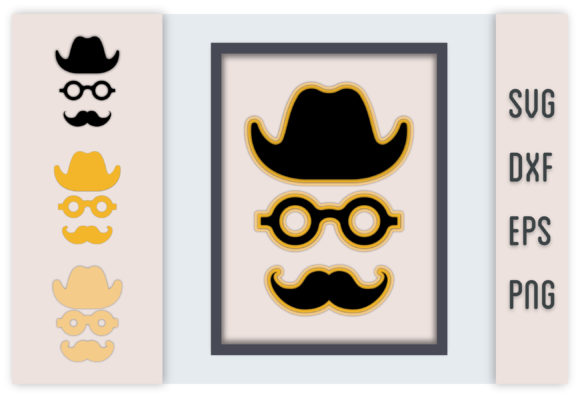
At its heart, a 3D layered design is not a single image but a collection of distinct layers stacked upon one another. In the context of dad hats, the design typically deconstructs the hat into its component parts: the brim, the front panel, the eyelets, the stitching details, and sometimes even the adjustable strap at the back. Each of these elements is isolated as a separate layer in the digital file.
When these layers are cut out individually and adhered together with spacers—such as foam tape or wooden standoffs—they create an illusion of depth. The result is a piece of art that casts subtle shadows and interacts with light in ways that traditional 2D posters cannot. This technique is part of a broader category known as creative 3d multilayer Multi Use Art Design, which emphasizes flexibility and dimensionality across various mediums.
The Digital Foundation
The magic begins long before any cutting occurs; it starts with the source file. High-quality layered designs require precision. If the paths are not perfectly aligned or if the layers overlap incorrectly, the final physical product may suffer from misalignment or visual clutter. Therefore, the integrity of the digital asset is paramount. Professional creators rely on vector-based software because vectors allow for infinite scalability without loss of quality. This ensures that whether you are printing a small coaster or a large wall installation, the edges remain crisp and clean.
Material Versatility and Creative Freedom
One of the most compelling aspects of using layered vector designs is the freedom to choose your material. Unlike pre-made canvas prints, layered art allows you to experiment with textures and finishes that suit your specific project goals. The following materials are commonly used by creators who utilize these digital assets:
- Card Stock and Paper: Ideal for beginners or quick prototypes. Card stock offers a matte finish and is easy to cut with hand tools or basic electronic cutters.
- Wood and Plywood: For a rustic or high-end look, wood adds significant weight and durability. It takes stain and paint beautifully, allowing for custom color palettes.
- MDF (Medium Density Fiberboard): A cost-effective alternative to solid wood, MDF provides a smooth surface that is excellent for painting or decal application.
- Plastic and Acrylic: These materials offer a modern, sleek aesthetic. Transparent or colored acrylic can create striking visual effects when light passes through the layers.
This variety means that the same 3D Layered Dad Hats Wall Art Design can be adapted for different audiences. A paper version might be perfect for a child’s room or a temporary event display, while a plywood version could serve as a permanent fixture in a man cave, barbershop, or retail store.
Software Compatibility and Workflow
To successfully bring these designs to life, compatibility with your existing workflow is crucial. Modern crafting ecosystems are diverse, ranging from proprietary machine software to open-source tools. Fortunately, top-tier digital art providers ensure their files are universally accessible.
A comprehensive package typically includes multiple file formats to accommodate different platforms:
- Adobe Illustrator (.AI) and Encapsulated PostScript (.EPS): These are industry standards for vector editing. They allow professionals to manipulate colors, resize elements, and adjust paths with precision within the Adobe Suite.
- Scalable Vector Graphics (.SVG): This web-friendly format is widely supported by cutting machines like the Cricut Explore and Silhouette Designer Edition. It is lightweight yet retains all the structural data needed for accurate cutting.
- Portable Network Graphics (.PNG) and JPEG: While raster images do not scale well, high-resolution PNGs (specifically at 300 dpi on a transparent background) are invaluable for laser engraving or for users who prefer to trace over the image in other programs.
This multi-format approach ensures that whether you are using Inkscape, Corel Draw, or specialized cutter software, you have the necessary tools to execute the design flawlessly. The inclusion of a transparent background in raster files is particularly helpful, as it allows the layers to be positioned independently without unwanted white boxes interfering with the composition.
Practical Applications and Use Cases
The utility of 3D Layered Dad Hats Wall Art Design extends far beyond simple decoration. Its adaptability makes it a valuable asset in several scenarios:
Home Decor and Personalization
For homeowners, these designs offer a way to inject personality into living spaces. A dad hat might represent a favorite sports team, a cherished memory from a concert, or simply a love for streetwear culture. Creating a layered version transforms a generic logo into a bespoke art piece. It serves as a conversation starter and a reflection of individual taste.
Gifting and Special Occasions
In the realm of gifting, handmade and personalized items hold immense value. A layered hat design can be customized with names, dates, or inside jokes. Imagine a gift for a best friend who loves baseball, featuring their team’s colors in intricate 3D detail. Such gifts demonstrate effort and thoughtfulness, making them memorable keepsakes rather than disposable commodities.
Commercial and Business Branding
Business owners, particularly those in the apparel, fitness, or lifestyle sectors, can leverage these designs for branding. A large-scale layered hat installation in a lobby or storefront can reinforce brand identity. Because the designs are digital, they can be easily updated or reproduced for new marketing campaigns. Furthermore, small businesses selling craft supplies or finished goods can use these templates to diversify their product lines without investing in expensive graphic design resources.
Evaluating Suitability and Best Practices
Before embarking on a project, it is important to evaluate whether a layered design aligns with your skills and resources. While the concept is straightforward, the execution requires patience and attention to detail.
Considerations for Success:
- File Management: Most digital purchases come in a compressed ZIP file. To access the contents correctly, you must extract the archive using software like 7zip, WinZip, or WinRAR. Double-clicking the file often opens a preview window rather than extracting the actual assets, leading to confusion. Proper extraction ensures all layers are available and uncorrupted.
- Cutting Precision: When using electronic cutters, calibration is key. Different materials react differently to blades and pressure settings. Always perform test cuts on scrap material to determine the optimal settings for your chosen medium.
- Assembly Technique: The quality of the final assembly determines the visual impact. Using consistent spacers between layers ensures uniform depth. Glue application should be minimal to avoid seepage onto visible surfaces, which can mar the finish.
It is also vital to remember that you are purchasing a digital product. No physical item will be shipped to you. This model offers convenience and instant access, allowing you to start your project immediately after purchase. However, it places the responsibility of production entirely on the buyer. Understanding this distinction helps set realistic expectations regarding time, cost, and effort.
Conclusion
The intersection of digital art and physical craftsmanship has opened up exciting possibilities for creators and consumers alike. 3D Layered Dad Hats Wall Art Design exemplifies this synergy, offering a blend of nostalgia, modern aesthetics, and technical innovation. By leveraging versatile materials and compatible software formats, users can transform simple vectors into stunning three-dimensional displays.
Whether you are decorating your home, preparing a unique gift, or enhancing your business’s visual identity, these designs provide a robust foundation for creativity. The key to success lies in preparation, precision, and a willingness to experiment. As technology continues to evolve, the tools available to us will only become more accessible, further democratizing the creation of high-quality, personalized art. Embrace the process, explore the materials, and let your imagination define the final form.